
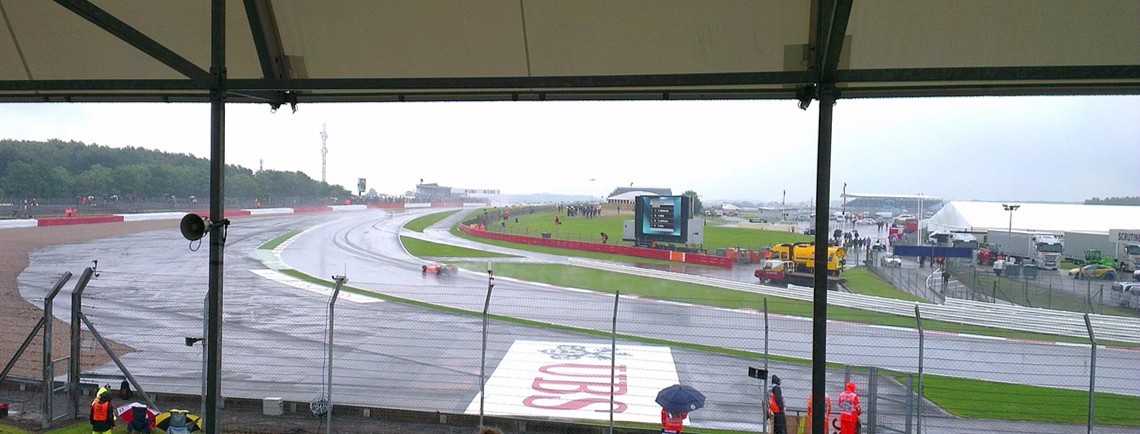
Silverstone Circuit Track Guide (UK): Corners, Layout & Driving Tips

LapSnaps Editorial Team
4 min read
Silverstone Circuit Overview
Silverstone Circuit is one of the most famous race tracks in the world and a cornerstone of British motorsport. Located in Northamptonshire, England, United Kingdom, the circuit is best known as the home of the British Grand Prix and a regular venue for track days, club racing, and testing.
Originally built on a former RAF airfield, what makes Silverstone unique is its combination of high speed corners, flowing sections, and heavy braking zones. Unlike many modern circuits, Silverstone rewards commitment, precision, and confidence rather than outright power.
For drivers attending a UK track day at Silverstone, understanding racing lines, braking zones, and corner flow is essential to building speed safely and consistently.
Where Is Silverstone Circuit Located?
Silverstone Circuit is located in Northamptonshire, in the East Midlands of England.
It sits close to:
- Milton Keynes
- Northampton
- Oxford
Its central UK location makes it one of the most popular track day venues in the United Kingdom.
Silverstone Circuit Layout Explained
The current Grand Prix layout measures approximately 5.9 km (3.67 miles) and features a mix of long straights and rapid direction changes.
Key sections include:
Copse Corner
A flat out right-hander for experienced drivers. Entry speed and commitment are critical, as any hesitation costs time all the way down to Maggotts.
Maggotts, Becketts & Chapel
One of the most famous sequences in motorsport. This high speed left-right-left complex demands smooth steering inputs and precise positioning. Focus on exit speed from Chapel to maximise speed onto the Hangar Straight.
Stowe Corner
A heavy braking zone at the end of the Hangar Straight. Braking stability is more important than late braking here.
Vale & Club
A technical final sector where patience and throttle control matter more than aggression. A clean exit onto the main straight sets up your next lap.
Driving Tips for Silverstone Circuit
Silverstone rewards momentum and confidence. Here are some essential driving tips:
- Prioritise corner exits over late braking
- Use smooth steering inputs through high speed sections
- Avoid overdriving Copse and Becketts early in the session
- Build speed progressively as tyres and confidence improve
Silverstone is particularly sensitive to small mistakes. Even minor corrections at high speed can cost significant lap time.
If you’re new to track driving, understanding the ideal racing line and braking points will make a noticeable difference at Silverstone.
Is Silverstone Good for Beginners?
Yes, Silverstone is considered a beginner friendly UK circuit because:
- The track is wide
- Run‑off areas are large
- Visibility is good across most corners
However, the high speeds mean beginners should build pace gradually and focus on consistency.
Common Mistakes Drivers Make at Silverstone
Many drivers lose time at Silverstone due to the same errors:
- Turning in too early at Copse
- Over slowing the car in Maggotts and Becketts
- Braking too late into Stowe
- Rushing the final Club corner
Focusing on rhythm and consistency usually produces faster lap times than aggressive driving.
Track Days at Silverstone (UK Guide)
Silverstone hosts a wide range of UK track days throughout the year.
Typical format includes:
- Open pit lane or sessioned driving
- Noise limits depending on the day
- Sight laps for new drivers
Silverstone is one of the most professionally run track day venues in the UK, making it ideal for both beginners and experienced drivers. Most UK track days use either the GP layout or the International Circuit, both of which reward smooth, confident driving.
Find Silverstone Circuit Track Photos
Looking for professional track day photos from Silverstone Circuit?
Browse Silverstone Circuit photography on LapSnaps to find high quality images captured by professional photographers during UK track days and race events.
👉 Silverstone Circuit photos and galleries
Learn Silverstone Driving Lines & Techniques
Understanding how experienced drivers approach Silverstone helps you improve much faster.
Explore related driving guides:
These will help you maximise performance at high‑speed circuits like Silverstone.
Explore More Race Tracks
If you’re planning to drive other circuits, you may also like:
Or explore our full collection of race track galleries from circuits around the world.
👉 Browse all race track galleries
Check out more useful information here:
👉 Silverstone official website
FAQ - Silverstone Track Days
Is Silverstone good for beginners?
Yes, the wide layout and large run‑off areas make it one of the safest UK circuits to learn on.
What layout is used for track days at Silverstone?
Most track days use the GP layout or International Circuit depending on the organiser.
Are there noise limits at Silverstone track days?
Yes, typically 105 dB(A) but noise limits vary depending on the day and organiser, so always check before attending.

Your Car's
Perfect Shot
© 2026 Lap Snaps. All rights reserved