
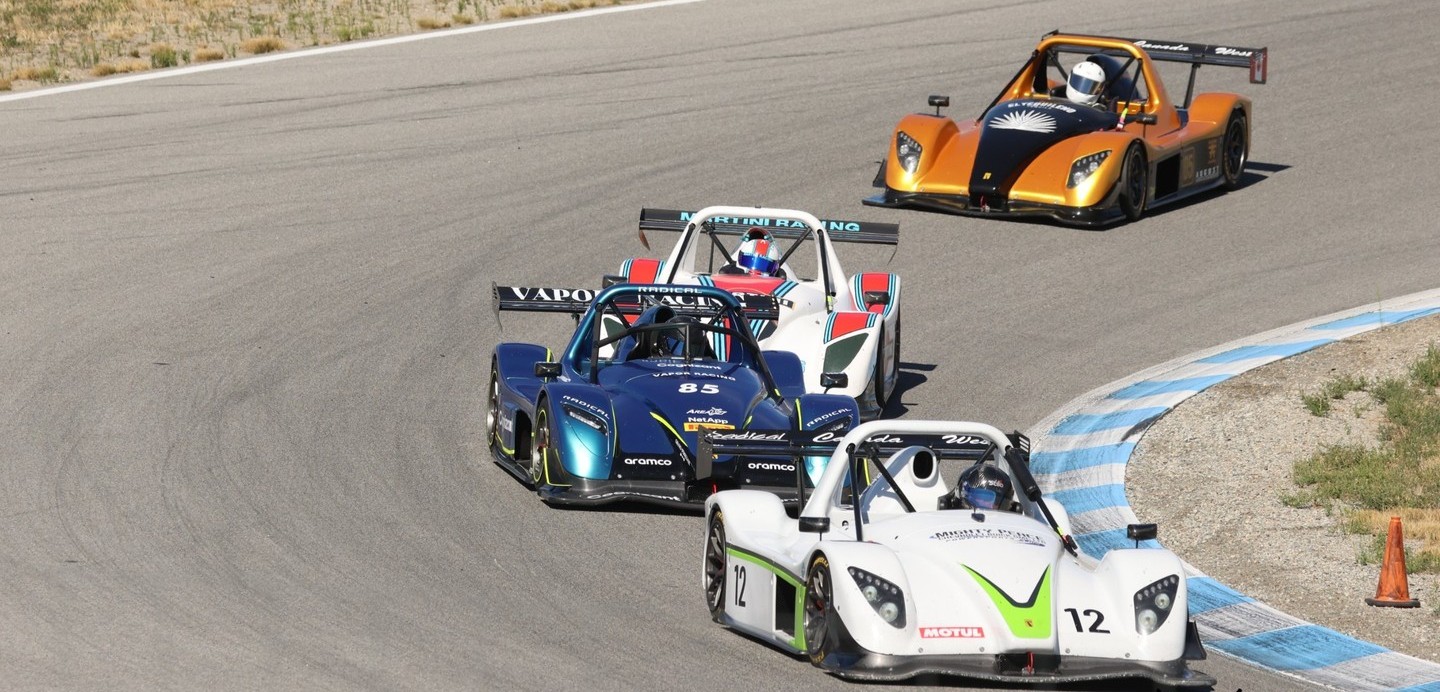
How to Drive a Race Track Faster: Racing Lines Explained

LapSnaps Editorial Team
3 min read
What Is the Racing Line?
The racing line is the most efficient path around a race track that allows a driver to carry the highest possible speed while maintaining control. It balances braking, cornering, and acceleration to minimise lap time.
While every circuit is different, the principles of the racing line remain the same across all tracks.
Why the Racing Line Matters
Following the correct racing line allows you to:
- Brake in a straight line
- Carry more speed through corners
- Reduce steering input
- Improve tyre life and consistency
Drivers who struggle with lap times are often not slow because of the car, but because they are not using the track efficiently.
The Three Phases of a Corner
Every corner can be broken down into three phases:
Corner Entry
This is where braking happens. A good racing line prioritises stability and accuracy over braking as late as possible.
Apex
The apex is the point where the car is closest to the inside of the corner. Hitting the correct apex allows you to straighten the car earlier.
Corner Exit
Exit speed is the most important part of any corner. A strong exit affects speed all the way to the next braking zone.
Early Apex vs Late Apex
A late apex is usually faster on race tracks because it:
- Improves exit speed
- Reduces steering angle
- Allows earlier throttle application
Early apexes often feel faster but usually result in slower exits and compromised lap times.
How the Racing Line Changes by Corner Type
- Slow corners: Focus on exit speed
- Medium speed corners: Balance entry and exit
- High speed corners: Smoothness and confidence matter most
The faster the corner, the more precise your racing line needs to be.
Common Racing Line Mistakes
- Turning in too early
- Overly slowing the car mid corner
- Using too much steering lock
- Ignoring exit positioning
Small corrections at the wrong time can cost significant lap time.
Applying the Racing Line on Track Days
Track days are the best environment to practice racing lines. Focus on:
- Building speed gradually
- Watching experienced drivers
- Reviewing onboard footage if possible
Avoid chasing lap times early, consistency comes first.
Racing Line Examples on Popular Circuits
Understanding the racing line becomes easier when applied to real circuits.
For example:
- High speed flow matters at Silverstone Circuit
- Exit speed is critical at Brands Hatch
- Precision is rewarded at technical circuits like Cadwell Park
Explore Track Photos and Guides
Want to see racing lines in action?
Browse professional track day photos and circuit guides on LapSnaps to see how experienced drivers position their cars on track.
👉 Silverstone Circuit Track Guide
👉 Techniques: Early vs Late Apex

Your Car's
Perfect Shot
© 2026 Lap Snaps. All rights reserved